How to Make Extra Passive Income Using Bank Account Sign-Up Bonuses in 2026 (Step-by-Step Guide)
If you’re looking for an easy passive income strategy that doesn’t require starting a business or taking on extra work, bank account sign-up bonuses are one of the simplest ways to earn extra money. Many banks offer checking account promotions that reward you with cash just for opening a new account and completing a few basic requirements.
This guide breaks down exactly how the process works, how to avoid unnecessary monthly fees, and how to stay organized so you can earn these bank bonuses consistently.
Not in the mood to read? Check out our video below instead!
Why Bank Sign-Up Bonuses Are a Legit Passive Income Method
Banks compete for new customers, and one of the easiest ways for them to attract you is by offering checking account bonus promotions. These bonuses can be surprisingly lucrative and require very little effort, making them a great fit for beginners who want simple passive income ideas.
Once you complete the requirements, you simply wait for the bonus to arrive — making this one of the most straightforward passive income strategies available.
Step 1 — Choose a Bank Offering a Checking Account Bonus
The first step is selecting a bank with a solid promotion. Not all bank bonuses are equal, so it’s important to make sure the offer fits your situation.
One key thing to check is monthly fees. Many checking accounts waive their monthly maintenance fee only if certain conditions are met. If you ignore those conditions, the fees can reduce or cancel out your bonus.
When choosing a bank promotion, look at:
The bonus amount
The qualification requirements
Whether the account charges a monthly fee
How to avoid that fee
Choosing the right bank is essential for maximizing your earnings.
Step 2 — Open the New Checking Account
After selecting the best bonus offer, go ahead and open the account. The process typically involves:
Filling out the online application
Providing your personal information
Uploading identification if needed
Most accounts are approved quickly. If the bank needs anything else, they’ll reach out.
Step 3 — Complete the Bank Bonus Requirements
Once the account is open, follow the bank’s instructions exactly. Each promotion has specific requirements you must complete to earn the checking account bonus. These must be done correctly and within the required timeframe.
Make sure to:
Read all instructions carefully
Complete every step
Keep track of deadlines
Following the bank’s directions ensures you qualify for the bonus without issues.
Step 4 — Track Your Bank Bonuses With a Spreadsheet
Staying organized is a major part of successfully earning multiple bank account sign-up bonuses.
Using a simple spreadsheet helps you track:
Bank name
Account opening date
Bonus amount
Requirements you must complete
Deadline for those requirements
Expected payout date
Monthly fee rules
This system prevents mistakes and keeps all of your bank bonus requirements clear and organized so you always know what needs to be done next.
Step 5 — Wait for the Checking Account Bonus to Arrive
Once you’ve completed all requirements, the bank will issue the bonus during the payout window listed in their terms. There’s nothing more you need to do during this waiting period.
As long as everything was done correctly, the bonus will be deposited automatically.
Step 6 — Review the Account After Receiving the Bonus
After the money arrives, decide if you want to keep the account open or close it. Some things to consdier here would be:
Whether the account still has monthly fee requirements
Any conditions needed to keep the account free
How long the account must remain open
Your spreadsheet helps you manage these details so you can decide whether to keep the account or eventually move on to another checking account promotion.
What to Do With Your Bank Sign-On Bonus Money
When that bank sign-on bonus hits your account, it’s tempting to treat it like free spending money. New clothes… a couple nights out… a “why not?” purchase. But here’s the mindset shift most people never make:
A sign-on bonus is one of the easiest opportunities to get ahead because your budget wasn’t depending on it in the first place.
That money isn’t tied to bills, food, rent, or anything urgent. It’s wide open. And that gives you a chance to make a move that actually improves your financial position instead of just giving you a quick dopamine hit.
Here’s how to put that bonus to work:
1. Strengthen your emergency fund
If you don’t have at least one month of expenses saved, your bonus instantly becomes the foundation of your financial safety net.
Even a few hundred dollars can be the difference between panic and peace next time life throws something at you.
2. Use it as your “investment starter pack”
Most people say they’ll invest “once they have extra money.” Well… this is the extra money. You can open a brokerage account, start a Roth IRA, or build the habit of investing without touching your regular income.
3. Invest in yourself
This is the part most people overlook. A sign-on bonus can pay for a course, a tool, a certification, or anything that increases your earning power. That’s the type of move that turns a one-time bonus into long-term income.
At the end of the day, this bonus isn’t just a little payout—it’s momentum. Whether it jump-starts your emergency fund, chips away at debt, or launches your first investment, it’s a chance to take a real step forward without stressing your budget.
If you want a simple, proven blueprint for building long-term financial stability, I break everything down in my Amazon bestselling book, The Anatomy of Financial Success. It’s designed to help everyday people understand money, make better decisions, and finally build the financial life they’ve been trying to reach. Click here to get a copy of my book
Final Thoughts
Earning passive income with bank account sign-up bonuses is one of the easiest ways to bring in extra money. It doesn’t require a business, special skills, or ongoing effort. Once you understand the process and stay organized, you can repeat it throughout the year and generate consistent extra income.
To recap:
Choose a strong checking account bonus
Review any monthly fee requirements
Open the account
Complete the bank bonus requirements
Track everything in a spreadsheet
Wait for the bonus
Manage the account afterward
If you're looking for a reliable, beginner-friendly passive income strategy, this is one of the most straightforward ways to get started.
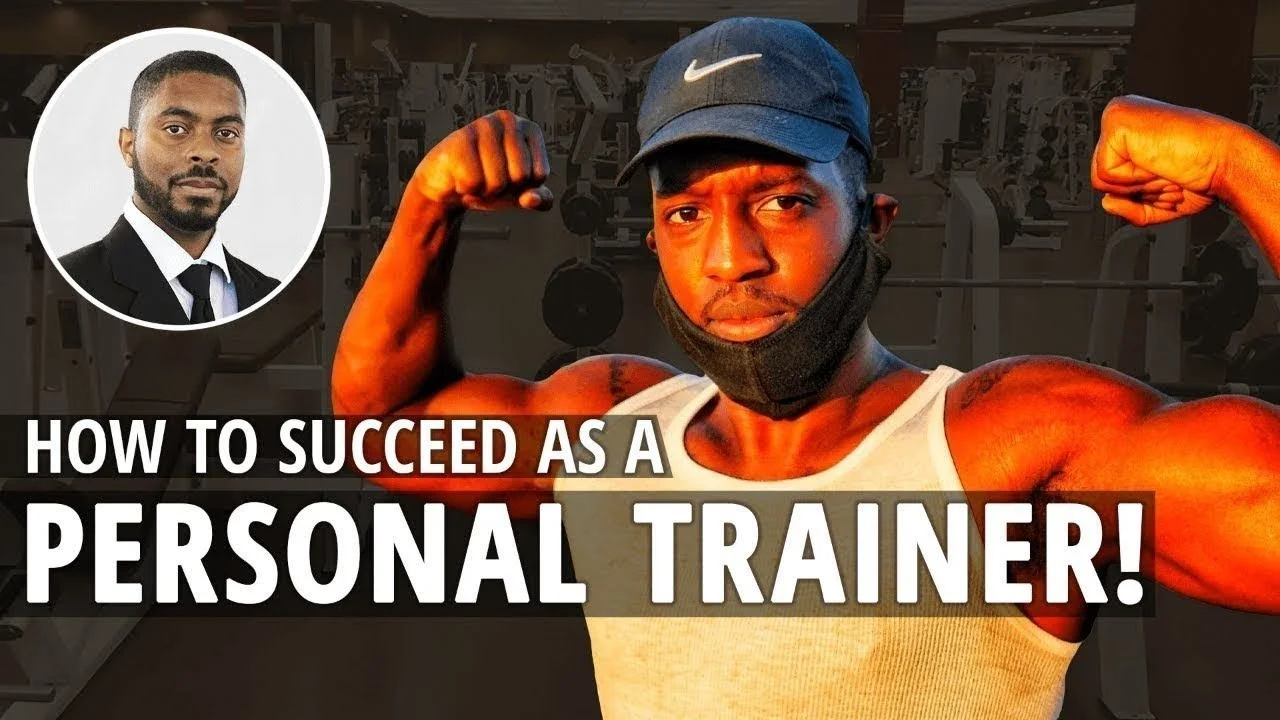
SHS003: How To Be Successful As A Personal Trainer With Sani Bravo!
Intro
Some side hustles come and go—but others have been around for years and continue to create real income opportunities.
In this episode of The Side Hustler’s Society, Elijah Bilel dives into one of those proven paths: becoming a certified personal trainer.
Joined by experienced trainer Sani Bravo, Elijah explores how this skill-based hustle can turn into a long-term income stream—and even a full-time business.
Subscribe Now And Get Chapter 5 Of The Best Selling Book, The Anatomy Of Financial Success!
Find out about the different types of income there are and which one(s) are best for you based on your personality! Click here to join out newsletter and get started!
Intro to Sani Bravo
Personal trainer and entrepreneur with over a decade of self-employment experience
Built income through multiple side hustles including selling food, merchandise, and service-based work
Transitioned into personal training as a core, stable income-producing skill
Expanded into online coaching, virtual training, and digital opportunities
Represents a real-world example of experimenting with hustles before finding a scalable path
Episode Overview
This episode is a replay of a live conversation originally hosted on Financial Anatomy, where Elijah sits down with Sani Bravo to break down the reality of becoming a personal trainer.
Early in the conversation, Elijah emphasizes a key principle he often teaches: having a skill or trade creates financial stability. Personal training is one of those skills that can be monetized in multiple ways—both in-person and online.
Sani Bravo shares how his journey into self-employment included years of trying different hustles before finding something that could provide consistent income year-round.
One of the biggest takeaways from the discussion is how personal training can act as a foundation, not just a single income stream. From there, trainers can expand into:
Online coaching
Content creation
Digital services
Additional side hustles
Elijah Bilel also highlights how mindset plays a major role. Once someone develops a “hustler’s mentality,” the problem shifts from not making enough money to managing and scaling income effectively.
Listen to the Episode
Check us out on Apple Podcasts or Spotify! While you’re there, hit subscribe so you don’t miss our latest episodes!
Side Hustler’s Society Resources
Get Elijah's best selling book, The Anatomy Of Financial Success here! Find out which one of the 6 financial personalities that you are so you can start maximizing your income!
Quick Takeaways
Elijah emphasizes that having a skill or trade creates long-term financial stability
Personal training is a flexible side hustle that can grow into a full-time business
Sani Bravo built his income through multiple hustles before focusing on training
Elijah Bilel highlights that mindset is key—once you think like a hustler, income opportunities expand
Looking the part as a trainer (physique) can directly impact your ability to attract clients
Certifications like NASM can help you get your foot in the door
You don’t need to pay upfront—many certification programs offer payment plans
Personal training income varies widely depending on effort, pricing, and business model
Working for a gym can limit income, while independent training increases earning potential
Knowledge and results sell themselves—clients are drawn to proven expertise
Who This Episode Is For
People interested in fitness as a side hustle
Beginners looking to learn a skill that can generate income
Anyone considering becoming a personal trainer
Side hustlers who want to build income around their passions
Key Topics Covered
How Elijah Bilel approaches skill-based side hustles
Becoming a certified personal trainer
Different certification options (like NASM)
Income potential in the fitness industry
Transitioning from employee to self-employed
Watch The Podcast On Youtube!
SHS002: 10 Uber Eats Driver Tips Elijah Bilel Learned From 3,000+ Deliveries In 2026
Intro
When most people think about the gig economy, they think about hopping on an app and making quick money with their car—platforms like Uber, Lyft, and food delivery apps.
In this episode of The Side Hustler’s Society, Elijah Bilel takes a deeper look at one of the most popular entry points into that world: Uber Eats.
With over 3,000 deliveries completed, Elijah breaks down 10 practical tips that can help drivers make more money, avoid common mistakes, and approach delivery driving with a strategy instead of guesswork.
Track Your APP Earnings As A Gig Worker efficiently!
Track your earnings and app expenses using The FREE App Lifestyle Pay Spreadsheet! Compatible with google spreadsheets! Click here to join out newsletter and get started!
Episode Overview
This episode is built entirely on experience.
Before focusing on delivery, Elijah originally started in the gig economy as a rideshare driver. Over time, he transitioned into Uber Eats—especially after the platform introduced tipping, which made deliveries significantly more profitable.
One of the biggest advantages Elijah discovered early on was something simple but powerful: driving alone. This allowed him to listen to audiobooks, podcasts, and educational content while working—turning delivery time into both income and self-development time.
As Elijah continued delivering, he began identifying patterns—what made more money, what slowed him down, and what actually impacted hourly earnings. Those lessons eventually turned into a system.
In this episode, Elijah Bilel shares 10 key strategies designed to help drivers:
Increase efficiency
Protect their earnings
Avoid unnecessary mistakes
Think long-term instead of just day-to-day
The result is a much more intentional approach to a side hustle that many people treat casually.
Listen to the Episode
Check us out on Apple Podcasts or Spotify! While you’re there, hit subscribe so you don’t miss our latest episodes!
Side Hustler’s Society Resources
The Anatomy Of Financial Success Audiobook
Gig Economy Mastery Free Course
Quick Takeaways
Elijah emphasizes that Uber Eats can be a solid side hustle—but it should come with a long-term plan
Starting each shift with a full tank of gas improves efficiency and prevents lost income
Stopping for gas during deliveries can hurt tips and customer satisfaction
Elijah Bilel explains that frequent “cash outs” can lead to poor money management and faster spending
Investing in a large, neutral delivery bag improves professionalism and can increase tips
Having a “do not do business” list of slow restaurants can significantly boost hourly earnings
Elijah recommends tracking which restaurants are efficient during different times of day
Sending a simple message to customers can sometimes get them to meet at the car, saving time
Understanding how neighborhoods are structured can help drivers complete deliveries faster
The key to making more money isn’t just working more—it’s completing more deliveries per hour
Who This Episode Is For
Beginners looking to start making money with Uber Eats
Delivery drivers who want to increase their hourly earnings
People exploring gig economy side hustles
Anyone who wants a more strategic approach to making money with their car
Key Topics Covered
How Elijah Bilel made money with Uber Eats
Increasing efficiency as a delivery driver
Avoiding common beginner mistakes
Managing income from gig work
Turning a basic side hustle into a more optimized system
Watch The Podcast On Youtube!
SHS001: The Origin Story – How Elijah Bilel Built Multiple Side Hustles & Full Time Income Streams
Intro
Every entrepreneur has a starting point.
For Elijah Bilel, the journey into side hustles, freelancing, and multiple income streams didn’t start with a perfect plan…
👉 It started with curiosity, frustration, and a desire for more.
In this first episode of The Side Hustler’s Society, Elijah breaks down his full origin story—from working traditional jobs to building multiple income streams through the gig economy, content creation, freelancing, and investing.
This episode sets the foundation for everything that follows.
Episode Overview
In this episode, you’ll learn:
How Elijah got started with entrepreneurship
The early businesses and jobs he worked
Why he left traditional employment
How the gig economy changed his trajectory
How YouTube, freelancing, and affiliate marketing became income streams
How Financial Anatomy and Airbnb entered the picture
The inspiration behind starting The Side Hustler’s Society
Listen to the Episode
Check us out on Apple Podcasts or Spotify! While you’re there, hit subscribe so you don’t miss our latest episodes!
Quick Takeaways
Elijah Bilel built multiple income streams before going full-time
Early business attempts taught control, marketing, and sales
The gig economy became a launchpad—not the end goal
YouTube, freelancing, and affiliate marketing created scalable income
Strategic pivots led to Financial Anatomy and Airbnb
The Beginning: Jobs, Frustration & Early Entrepreneurship
Before becoming known for side hustles and online income, Elijah’s journey started with traditional jobs:
Janitorial work for his aunt’s company
Walmart
Whole Foods
Amazon
At one point, Elijah was working around 68 hours per week…
👉 Yet only making about $35,000 per year
That realization sparked a major shift.
The First Business: Learning Control
After trying network marketing, Elijah realized something important:
👉 He wanted control
So Elijah Bilel launched his first independent business:
👉 Asili Tiba (Indigenous Remedies)
This gave him experience with:
Pricing
Marketing
Selling directly to customers
The Turning Point: Leaving the 9–5
Even after getting promoted at Amazon, Elijah knew:
👉 He wasn’t reaching his full potential
So he left and went all-in on finding alternative income paths.
The Gig Economy Era Begins
Elijah revisited Uber and started with:
Rideshare
Then Uber Eats
Why?
👉 More flexibility
👉 More control
👉 More independence
The Hidden Advantage: Getting Paid to Learn
While doing Uber Eats, Elijah used his time strategically:
Audiobooks
YouTube
Business content
👉 He was getting paid to learn skills that would later generate income
YouTube + Affiliate Marketing Breakthrough
Elijah started a YouTube channel called The Uber Lifestyle (Later changed To The Side Hustler's Society) focused on:
👉 Uber Eats content
He monetized it through:
Ad revenue (~$100/month early on)
Referral income
Referral earnings:
👉 $500 to $2,000/month
This was his first scalable income stream.
Freelancing with The Rideshare Guy (Major Income Boost)
After learning from Roberto Blake, Elijah reached out to Harry Campbell.
That turned into:
👉 Ongoing freelance video editing,content & channel management work
Income from this:
👉 $1,500 to $2,500 per month
This added:
Stability
Consistent cash flow
Professional experience
Financial Anatomy: Building a Brand
Elijah knew Uber wouldn’t last forever, so he started a new youtube channel:
At first, growth was slow…
But over time, it became a strong income stream.
Earnings from Financial Anatomy:
👉 $1,200 to $1,900 per month
This came from:
YouTube ad revenue
Financial content monetization
Audience growth
Stacking Income Streams (Full Picture)
At this point, Elijah had:
Uber Eats income
Referral/Affiliate income ($500–$2,000/month)
Freelancing ($1,500–$2,500/month)
Financial Anatomy ($1,200–$1,900/month)
Combined:
👉 Multiple income streams working together
This is what allowed Elijah Bilel to fully step away from traditional employment.
Entering Real Estate: Airbnb
From there, Elijah expanded into:
👉 Airbnb hosting
This introduced:
Asset-based income
Real estate strategy
Additional scalability
Now instead of just trading time…
👉 He was leveraging assets
Creating a Product: Becoming an Author
Elijah also created the bestselling book:
👉 The Anatomy of Financial Success
This added:
Authority
Brand positioning
Product-based income
The Bigger Pattern
Across every stage of Elijah’s journey:
👉 Learn → Apply → Monetize
He didn’t wait for perfect conditions.
He:
Took action
Tested opportunities
Built income streams
Why This Podcast Exists
The Side Hustler’s Society was created to:
👉 Help others follow a similar path
By sharing:
Real experiences
Real numbers
Real strategies
Key Lessons from the Episode
1. Start With What You Have
You don’t need perfect conditions
2. Learn While You Earn
Use your time to build future income
3. Stack Income Streams
Multiple sources = stability
4. Focus on Scalability
Time-based income has limits
5. Always Be Ready to Pivot
Every opportunity has a lifespan
Who This Episode Is For
Beginners starting their first side hustle
People stuck in a 9–5
Gig workers looking to level up
Entrepreneurs building multiple income streams
Key Topics Covered
Elijah Bilel’s origin story
Gig economy strategies
YouTube and affiliate marketing
Freelancing with The Rideshare Guy
Financial Anatomy and Airbnb
Watch The Podcast On Youtube!
Work From Home Tips: 5 Habits That You NEED When Making Money From Home
The ability to work from home has become more and more mainstream nowadays. And I'm not going to lie, the recent pandemic of 2020 probably had a lot to do with that. But even without it, there was a gradual push and a gradual change towards more people being able to work from home. Many people with the financial personalities of the The Builder, The Preserver and The Conservative find the ability to work from home very soothing What does that look like though?
Well, your job may actually have features that it can be accessed via the computer. And once the pandemic happened, they just moved everything so that you could actually access to sit fully at home and do your duties at home. If you're self-employed or if you're a freelancer who services are heavily connected to the computer, then you're already working from home. While working from home has a lot of convenient advantages and pros, it will produce a share of cons if you don't take care of them accordingly. In this article, I'm going to share with you five habits to make sure that those cons don't creep up and take you by surprise, and you can just stay benefiting from the pros of working from home. So let's get into it.
Not in the mood to read? Why not watch the video instead?
As someone that's been working from home since the end of 2019, I do have some actual advice that I can give you all in that regards. Now, I say 2019 because that's when I went full-time in it. If we're counting the total amount of time I've actually been working from home for Financial Anatomy, I would say it's about more like 2017 but that's beside the point.
Believe it or not, it's a lot of people's dreams, so to speak, to just be able to get up, not leave their house and generate money from their computer. And it is a beautiful thing, I'm not going to lie but it does produce a share of problems if you don't know how to address these. According to weworkremotely.com, there are three commonly reported issues that remote workers in digital nomads face. Those are loneliness and isolation, anxiety, stress, and pressure to hustle 24/7.
Now these things individually aren't so great, but when you combine them, they have the potential to lead into a very negative emotion called depression. And we don't want you to feel that. Luckily, there are some things you can do to stave off these three things and keep them away from your home, so to speak. So let's get into those habits.
1. Start using voice messages instead of texting
Habit number one is to start using voice messages instead of texting. Now, a lot of people don't actually consider this. If you've been in sales, you're going to relate to what I'm saying big time. Every time you send the text message, it kind of works on your nerves. Now, that's not such a big deal if you're not doing it all the time, but when you're working from home, chances are you're going to be using that keyboard a lot, sending emails a lot, typing a lot, and guess what?
That works on your nerves too, and anytime you're using that for work in any form, you need to give your nerves a break at anytime you can. And that includes when you're just talking to friends or talking to family. So anytime where I'm in a position where I'm not working and I'm conversing with someone, I always try to use my voice.
So that takes the form of I'm going to try and get them on the phone. And if I can't get them on the phone, I just send them a voice message. You can do this by getting the recorder app or you can actually send a voice message via Facebook Messenger, which is my new best friend, because all that typing when it comes to texts really wear on your nerves after a while, and believe it or not, they can actually contribute towards anxiety if you're doing way too much of it.
It also has a secondary benefit of getting you to talk because when you're working from home, depending on what you're doing, you may not actually be opening your mouth that much. Now some people have Zoom conferences, phone calls, that kind of thing to maintain and be involved in.
For those people, this doesn't apply as much but let's say you're a video editor or a graphic designer. You don't really have to talk that much, verbally talk. And if you're not verbally talking, this is when you start to lose your natural communication skills when it comes to talking.
So this has a secondary benefit of just kind of forcing you to talk and keeping those skills kind of sharp, if that makes any sense. And before you knock this, just give it a try, see how much better you feel throughout the day. If you just use voice messages and talk on the phone, as opposed to all that texting. If the people start asking you like, "Hey, why can't you text?" Let them know, tell them specifically why you're not texting and they're going to respect it because they probably just hadn't thought about it before.
2. Plan your day out
Habit number two that you want to develop is you need to make a plan for the day that involves key things that usually get neglected when it comes to working from home. Those times include when you eat, exercise and your free time. They need to be built into your calendar because when you work at home, you're going to have a habit of skipping one or two of these unless it's baked into your daily calendar.
If you need something to keep track of this, Google Calendar is a great way to do it. But however way you do it, it needs to be integrated because if it's not part of the schedule, you'll be working and all of a sudden time has passed and you've lost the ability to do something. You don't want that and these are things that you need to do to maintain your health. It's pretty obvious that you need to eat to maintain your health. I don't need to go into details on there.
When it comes to exercise, you're sitting down all day. So if you don't get the exercise in, you're going to start gaining weight pretty fast. Aside from that, it's not very healthy to just be sitting all day, if we're going to keep it 100%. You need to get out there and do some form of exercise.
I'm not a personal trainer, but I'd also recommend it. If you work from home, you need just a little more cardio in your workout curriculum, as opposed to other people, because you are going to be sitting down most of the day. I would take that a step further and say that you should look into doing Kegel exercises.
This is very important since you're going to be sitting in a certain position all day, unless you have a desk where you're standing up, which actually isn't such a bad idea to switch to from time to time. And this should go without saying, but you need to schedule free time for yourself because that goes to your mental health.
You need to have some way of just unloading, cooling off and it needs to be baked into your calendar. What you do with that free time, that's up to you. You might play video games. You might watch Netflix. You might have a night out on the town. Whatever it is, you need to have some, where you just cool off, and that needs to be baked into your schedule.
3. Separate your work place from your relaxing spots
The third thing that you need to do is less of a habit and more of something that you need to just set up. But once it's set up, it should be good to go. But you want to separate where you sleep and relax from where you're actually doing your work. Ideally, you want to have these in two separate rooms because, for one thing, it's actually going to help with your productivity because psychologically you're answering a work environment. So the thoughts just kind of flow in terms of what you should be doing for work, et cetera. And when you go back to the other room to relax, your brain just kind of wires down gets into that relaxation mode.
If they're in the same room, it's going to be at odds with each other. What's going to happen is you're not going to really get the best of either. Not going to fully be able to relax when it's time to relax, and when it's time to work, you're not going to really fully be in that work mode either because you're not planted to that environmental, psychological advantage that you're going to get from having two separate rooms.
And you might be saying, "Elijah, I don't have another room to switch to." At the very least, try and separate your room into two halves. So you got one half where, let's say, your computer. Everything you need for work is there and then the other half, that's where anything you need to relax is. If you do it that way, at the very least, you're still creating somewhat of a psychological disconnect. So that when you go over here and facing this direction, "Hey, this is work," and when you're over here, "This is relaxing."
4. Maintain a social life
The fourth habit you need to maintain or start is to actually maintain a social life. This is something that many people take for granted. But when you had to drive to go to work, you drive, you go to work, you interact with your coworkers, then you have lunch.
You converse with your coworkers in a more just relaxed environment, and some people actually leave and go to a restaurant for lunch. Lunch is over. You finish off the rest of the day, and then you drive home. Usually when you drive home, you're going to stop by the store. You're going to stop by the gas station. Maybe sometimes you and some of your coworkers may actually want to have dinner at some restaurant after work and just kind of talk, have fun.
Well, all that doesn't have the potential to happen when you're working from home because you're already at home. And going to work and going home, there are so many opportunities that you had to meet new people and to just socialize with your coworkers or with friends or potentially with family. And when you're at home, that's not taking place, so you got to do something to make up for that.
This takes the form of making sure you stay in contact with friends and family even if it's over the phone, ideally you want to try and meet up in person and do something. I understand because of the pandemic that might be kind of... But eventually this stuff has got to be over.
Another easy way to do this is to just pick up some hobbies. What is it you'd like to do? I like riding a bicycle. I love to do 5k runs. I love to shoot archery. I love to visit art museums. I'm just mentioning a few things that I like just to stimulate some thought. But whatever habits you have, I guarantee if you just Google that habit and just, say, near me, you're going to find advanced and local things that you can get into.
So take a look at getting involved in them and they'll help you maintain a social life of abundance because one thing that can happen is if you're working from home and this usually leads to loneliness and depression, which is something we're trying to avoid.
5. Get an EMF for all of your electronics
And lastly, the fifth thing you should do, if you're going to be working from home, you should get an EMF for all your electronic devices. This is actually a problem with Americans in general but we use a lot of technology. A lot of us are oblivious to the fact that this technology we use actually produces a level of radiation. And that radiation is actually linked to certain forms of cancer if you don't deal with it accordingly.
There's a few ways you can deal with it but the easiest way is just to get an EMF also known as the dial and attach it to whatever it is that's producing that radiation. Actually, I have one on my phone. I have one on my computer. Anything that produces that radiation, I just attach that to it. And it actually helps with the electronic device and not getting so hot. So it does have that added benefit. But the main reason that's there is it neutralize that radiation.
Another way of doing this is to keep the sea salt lamps in your room that helps with neutralizing the radiation. But a lot of people are just unaware that this is actually a problem. So you want to make sure that you get those, I've left links to them in the description. And this is something that you'll actually start to see the benefits of like right away.
If you put it on your phone, you're going to notice that your ear isn't going to start hurting the moment you put your phone up to your ear. It's not going to start hurting unless you have it to your ear for like an hour but, normally, it would start hurting probably after like two to five minutes. Well, that's actually be coming from that radiation. What the EMF is doing is, it's neutralizing it as much as it can so that it won't produce adverse health conditions. Like I said, I've left links to them in the description below. If you're not going to get them, I guess the alternative would be getting a sea salt lamp.
With that being said, we covered five habits or things that you should do if you're going to be working from home to maintain your mental sanity, so to speak, and keep the anxiety, depression, and loneliness away from your doorstep. If you have any questions or comments, feel free to leave them below and if you want to find out which one of the 6 financial personalities that you are, click here.
Ubereats Driver: The 8 MUST have ubereats items!
Although ubereats is fairly easy on its own, would it surprise you to findout there are more things you can do to make it even easier? Below you will the 8 key uber eats items that will make your delivery experience with ubereats run more smoothly. All of the can be obtained by clicking on the photo of the item. (Article not your style? Watch the video below)
1. An Insulated Bag
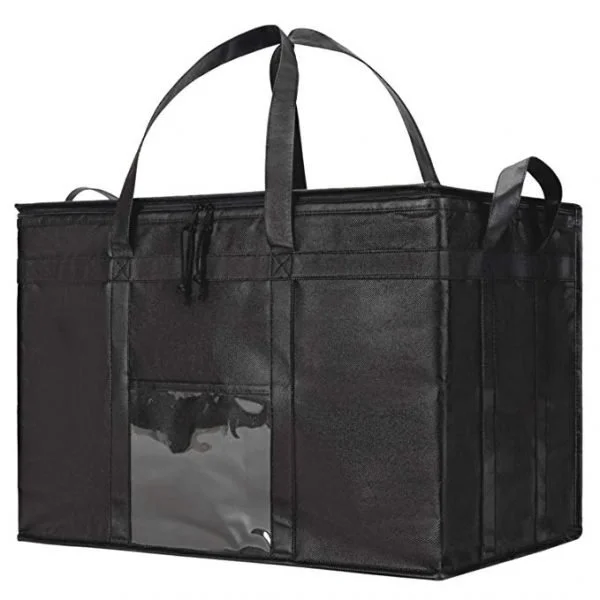
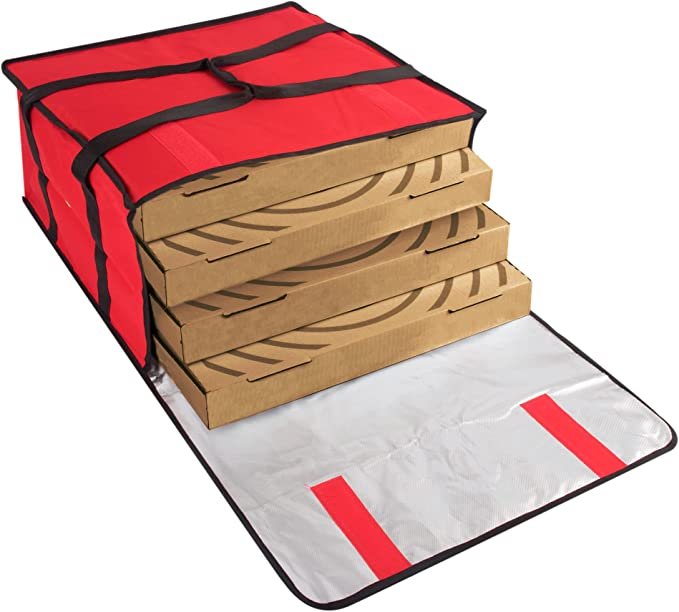
An insulated bag is a must when it comes to delivering. Having an insulated bag will keep your customers food the same or similar temperature as it was when you picked it up at the restaurant. This means that it will keep their food hot or keep their food cold (If its a cold dish) It is also useful for when you get multiple orders at a restaurant. When you receive big orders, it can be a challenge getting everything out the door. It will most likely demand the use of both your hands, which makes it a hassle to exit and open your car door to put the food in. If you’re like me, you would rather not struggle out or have to make a 2nd trip. Having an insulated bag allows you to all the food in the bag and lace it around your shoulder, making everything easy.
2. A Sharpie
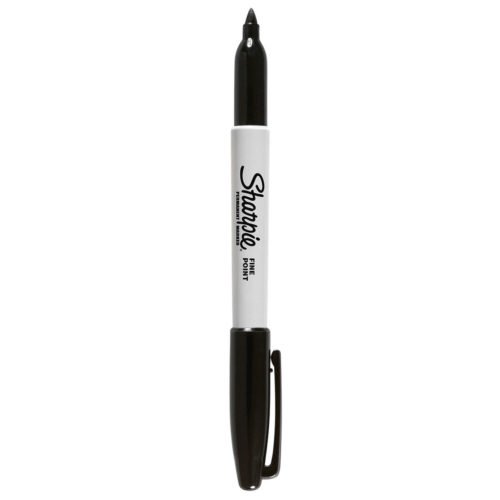
When you get more then one order from a restaurant, most of the time they will have the names on the orders for you. Some however do not. Regardless, having a sharpie lets you have the peace of mind of knowing you can mark them yourself if necessary. Trying to remember who ordered what not only makes your job harder, you risk giving the wrong order to the wrong person. When you get your orders from the restaurant, before confirming your pickup, check to see if the orders are marked. If not, ask the staff which order is which and match up the order numbers with the right name. Then write the name of the person on the food box or bag. It makes dropping off a breeze. Work smarter, not harder.
3. Phone Mount
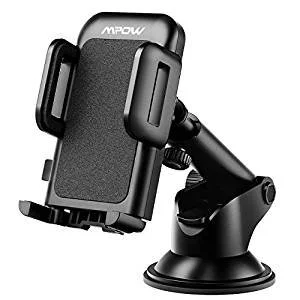
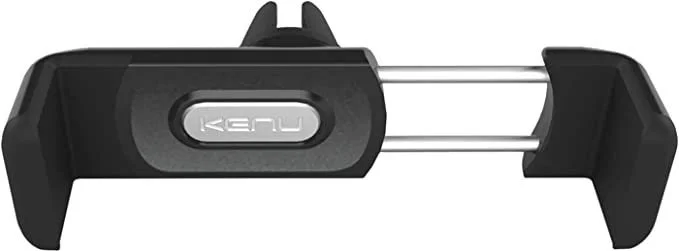
A phone mount will make your navigation to restaurants and customers easy and efficient. Its also a lot safer since your eyes will never leave the road. I use the mount that attaches to your air vent but there are plenty of choices when it comes to phone mounts.
4. A Car Charger
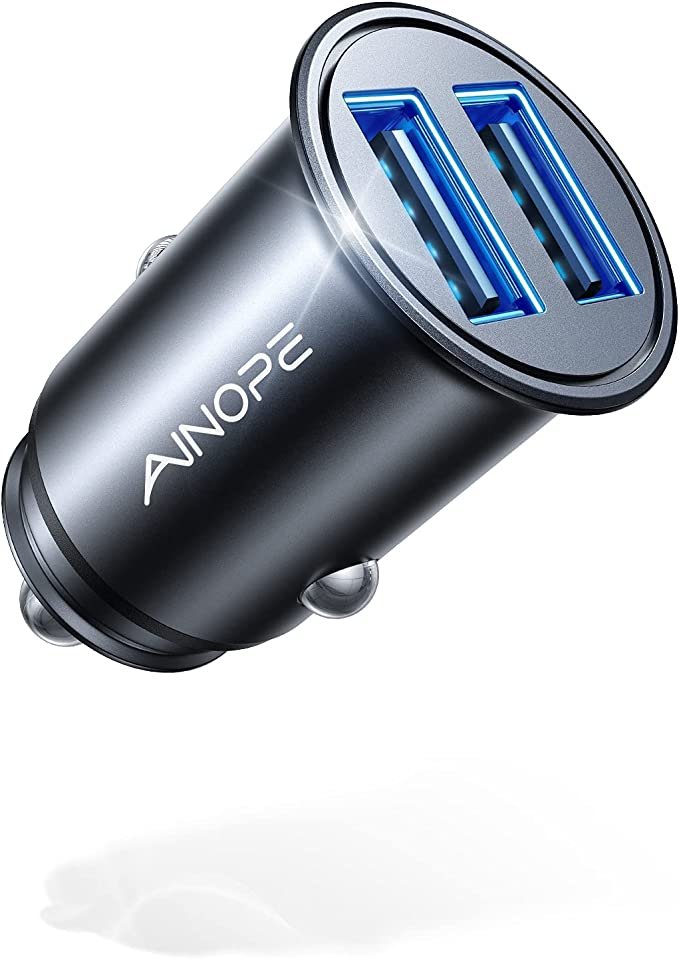
We need to remember that Ubereats is still an app and like all apps, they slowly drain your battery. The last thing you want is to be out ubering and your phone dies on a trip. Even if it doesn’t die on a trip, your obviously done ubering for the night or at least and hour. You’ll want a car charger and a USB cord to charge your phone while in the car. The one I personally use is available above. There are many other options to choose from if you want to look around though.
5. Portable Battery
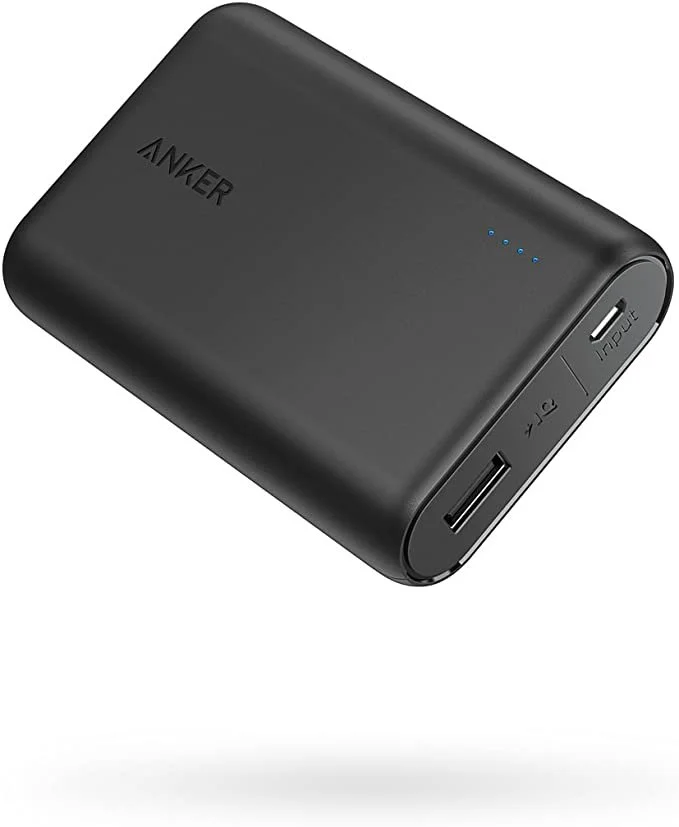
If you have a stronger car charger, this one isn’t mandatory but it can be good to have since you can take it with you inside the restaurant and still be charging your phone. Good to have when you decide you want to do some ubering but your phone is almost dead.
6. Poncho
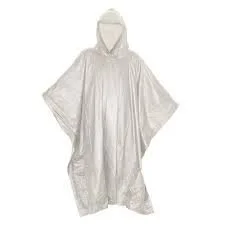
We all have a taste for certain food. You have a mental conversation about if you would like to go get it. Finally, your hunger compels you to put your shoes on and go get it only to open the door and find out its pouring outside! It used to be that one of two things happened. The thought comes “I don’t wanna get out in that!”. So you grudging abandon your taste buds that day and head to the kitchen to cook something or you get out there, get drenched and deal with the traffic on the way. Usually the 1st one happens the most. Now days, you go right to your couch and checkout the ubereats menu! What does that mean? More delivery and money on the table for you and me. I think the feeling is mutual that we don’t have any desire to get wet though. Having a poncho on stand by will let you take advantage of the opportunity for more money without getting wet or messing up your hair.
7. Uber Clothing
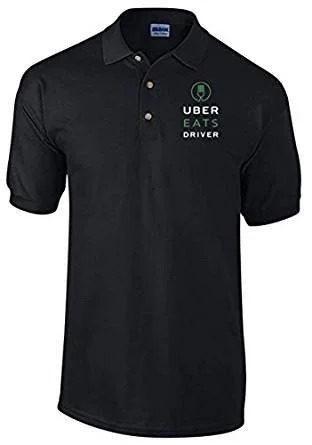
As delivery partners, we don’t wait in line. It can be a little annoying to let a staff member of the restaurant know you’re here to pick up food though. Having one of these bad boys on will let the restaurant immediate identify you visually. This sometimes reduces the the amount of time you’re in the restaurant and often it leads to them bringing the order to you before you even get to the counter! Be sure to still double check the order number and names. Usually having one of these is enough for you to be easily identified as an ubereats partner to the restaurants. For the shirts, prefer the polo like one but the more casual option is also an options too.
8. The Upside App

This isn’t technically an item but it is arguable the most useful tool on this list. One of our biggest expenses as drivers is gas. The get upside app gets you cash back per gallon at select gas stations up to 50 cents. That cash back starts to add up at the end of the month and you can use that money for whatever you want! If you want to know visually how it works, check the video out below!
Honorable mention: A Dashcam
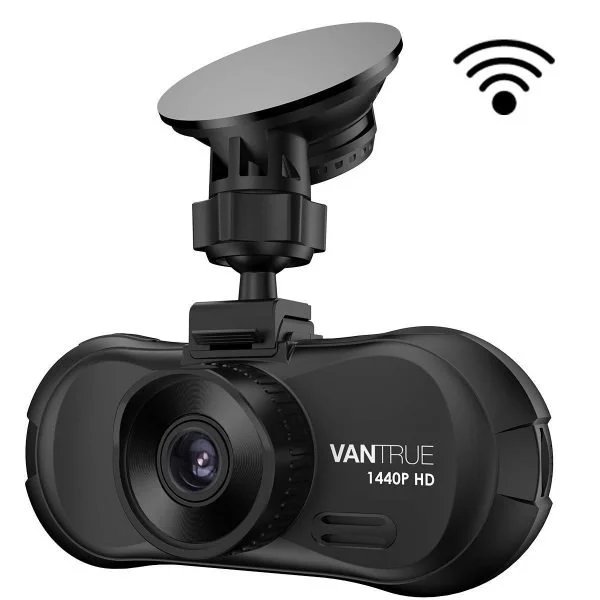
A dashcam isn’t as much needed with a delivery driver as it is with a rideshare driver. It can still be good to have for insurance reasons since it can record outside of your car.
The item that is a MUST on this list is the Insulated bag. which is free if you pick it up at your local Uber office. As of right now, Uber does not offer insulated bags anymore. To get one, you can order one off of amazon by clicking the bag picture. You can get one for as cheap as 6$. AN INSULATED BAG WILL EFFECT YOUR BOTTOM LINE! You will find that everything else is complementary. Having all of these will get you the most bang for your buck and allow you to take even more orders because these items will speed up how long it takes to pick up food and take it to the customer. The total cost of all these together is around 90$ to 100$ (Which there’s a good chance you can make that back on your 1st day if you work between 5.00pm and 10.00pm) If its not possible to get them all at once, you can use the strategy i used. Prioritize them and get one item off this list once a week. How you should prioritize them is like this.
Upside App
Insulated Bag
Sharpie
Car Charger
Phone Mount
Portable Battery
Ubereats Shirt
Poncho
If you have any other questions about ubereats, feel free to contact out our Uber Eats Playlist on you tube. If you want to sign up for the Upside app, you can do so here. We’ll catch you in the next article!