Is Being An Uber Eats Driver Worth It In 2026
Some of you all may actually use Uber Eats pretty frequently as a customer, and the same applies to me. Have you ever considered being an actual Uber Eats driver, delivering people's food and making money in the process? Well, I'm here to give you five reasons why you should consider it, because I personally have done it, and I vastly enjoy it. If any of these reasons resonate with you, maybe it's something to consider. It's actually not that big a stretch to make between $11 and $20 an hour as a Uber Eats driver if you know what you're doing. That's why I'm pretty excited to share with you these reasons. So let's go ahead and hop into it.
The question is likely popped up in your head. How did you get involved with Uber Eats in the first place? I was driving for rideshare as a Uber driver. For those of y'all that want more details on that, you can read my five reasons why I became a Uber driver article. A few months after getting involved with Uber, in the app they kept harassing me. "Do you want to do Uber Eats? Do you want to do Uber Eats? Do you want to deliver Uber Eats?" I was kind of against it at first because they didn't have tipping on the platform at the time. People mainly give you cash tips, but they implemented tipping on a platform. That's when I said, "You know what? I'll actually give Uber Eats a try. It turns out, I liked it a lot. So much that they actually started rivaling how much I liked Uber Eats versus the normal Uber, which is kind of crazy.
Ever since then, Uber Eats has proved to be valuable in some ways. Even more so than being a Uber driver. That kind of ties into one of the reasons, so let's go ahead and just get into it.
It’s Mindless
The first reason is, it's mindless. When I say that, I mean it doesn't take a lot of mental energy, or hardly any. If we're being honest, probably after a week or two in, you'll get used to the app. From there, there's nothing more on the tech side you need to learn, and you can just kind of do this on autopilot where your mind is somewhere else. You will bump into some scenarios where something doesn't go as planned, so you might have to improvise like the customer forgot to put the gate codes. Then you got to call and figure out what the gate code is so you can complete the delivery. That kind of takes you out of the mindless autopilot I was telling you about.
Even things like that can be mitigated. If I see someone's in an apartment complex when I start out driving towards them, before I start driving towards them, I have a saved message in my phone that I send them. That message is "Hey, can you send me the gate code, and can you tell me the name of your apartments?" They send the info to me and the whole thing is more efficient. So even that stuff can be mitigated to make it mindless. With it being so mindless, you're free to think about other things, or just listen to your music in the car.
That's one advantage Uber Eats has over Uber X or rideshare in general. No one's in the car with Uber Eats. Listen to what you want and that includes audio books. A lot of books I have in my libary, I've never actually touched the book before, but I've listened to the audio book several times. I just got the physical book as a trophy. These books were largely listened to a while doing Uber Eats. And that actually ties into my second reason.
Want to listen to Elijah’s audiobook on personal finance? Click the picture below!

2. Silence Is Golden
I kind of jumped the gun, but second reason is, it's silent. No one else is in the car, listen to whatever you want. Listen to YouTube videos like the one at the top of this article about how to make more money or listen to ways to improve your health. You can listen to whatever rocks your boat. In my case, I can listen to the audio book while I'm just laying in my bed, or maybe while I'm working on my computer, but I don't like to listen to audio books when I'm doing work on a computer because I can't really give my full attention. I like to listen to music or something in the background. Uber Eats is perfect because there's nothing involved mentally. So reason one and two are kind of piggybacking off of each other, because you just listen to all these audio books and you can just really focus on soaking that game up. At the same time you can be delivering food and making money in a process. Since it's so mindless, it's not distracting you from the content of the audio book, it's beautiful.
For those of you that want to talk on the phone while you're delivering, I do that all the time too. Me and my friend Travis will be talking about all kinds of stuff while we're delivering food, because he was delivering for Uber Eats too.
3. $15+ An Hour Earnings
The third reason why I became an Uber Eats driver is you can make more than $15 an hour if you know what you're doing. What I mean by that is if you just do the stereotypical thing that everyone does, you might not make $15 an hour, but if you know how the Uber Eats algorithm works, you know exactly what restaurants to go to, which ones don't have long wait times, so you can get more deliveries in an hour. These are some tips of many, but if you know things like that, then it's not a stretch to make over $15 an hour, because you have the experience to do so, and also doing it is not that hard.
4. You’ll Learn Your City
The fourth reason why I became a Uber Eats driver, why you might want to consider it, is because you learn a lot about your city. See, when you're being a Uber driver this is true too, but you might be more focused on the person in the back, and not as much on your city. Since there's nothing else distracting you, you're going to notice things about your city. If you're like me, you'll still be listening to that audio book, but you can't help but notice things about your city that you didn't before. And if you are new to your city, this is a great way to learn a city.
You do a few deliveries for a little bit and you’ll know that city a lot better than when you first started. Sometimes that's just a better feeling. Knowing what streets to take and what's the fastest way to get to point A to point B. Just going to various parts of your city that you didn't even know existed because you didn’t have reason to go there, but delivery took you there. It's like, "Whoa, oh man, I just didn't know this."
For those of you that are house seeking, you might bump into a few houses for sale. You can write down the owner's information when you look at a sign and you call them up. You might actually find the perfect home for you. You get exposed to so much stuff. It's lost under your radar when you're just casually driving, but when you're delivering, you tend to pay attention more because you're trying to find a address. So you'll learn a lot more about your city.
5. You’ll Learn About A Lot Of New Restaurants
Speaking of learning about the city, number five is you'll learn a lot about restaurants. If you're like me, when I drop food off, I would ask the customer, "Hey, is that restaurant good?" And they would say, "Hey, yeah, it's pretty solid." Or "It's okay." Obviously, it's got to be decent, otherwise they wouldn't be ordering it. If they're a chatty person, they may actually share some details and you could also talk to the restaurants themselves. Obviously they're going to have a bias opinion, but you could ask them if they have certain things on the menu, or you can take a look at their menu while you're waiting for customer’s order. I've been a vegan for over 10 years, and I'll look at these menus of these restaurants. I'm looking for meat substitutes, like tofu, or seitan, Beyond meat or veggie burgers. I’ve learned a lot about various restaurants across my metroplex because you got to go there and pick the food up.
As someone who's a leader and founder of a vegan meet-up group called The Veggie Outers, where we go to restaurants and actually review them based on the vegan options they have, that was very helpful.
A picture of The Veggie Outers
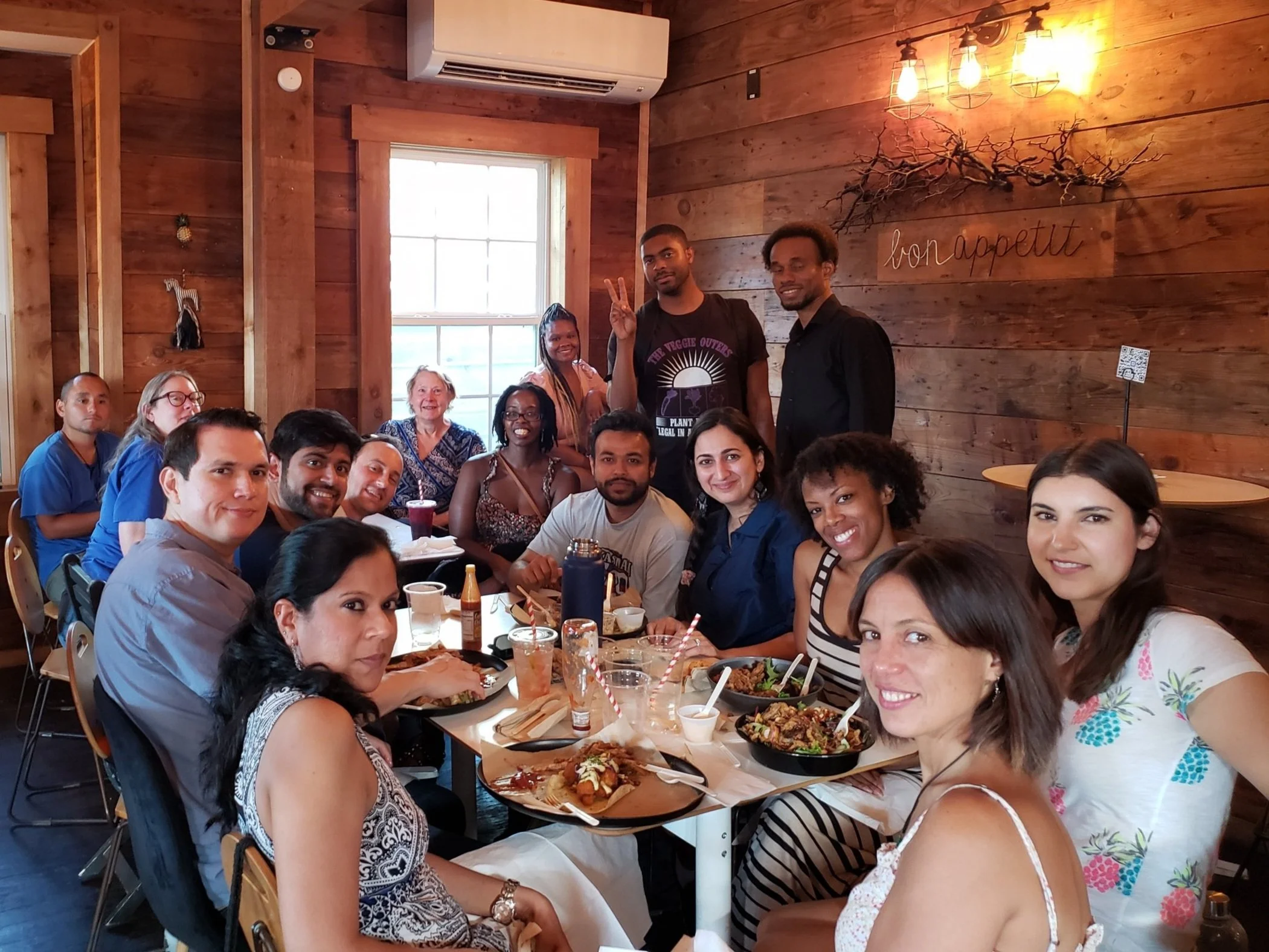
A lot of the restaurants that The Veggie Outers went to, they were based on me going there as an Uber Eats driver first, scaling their menu, and then I went there to actually try them out. I was like, "Hmm, this is a great place to bring The Veggie Outers." And that resulted in a lot of meet-ups that might not have happened otherwise. I got exposed to the restaurant through Uber Eats. So you'll learn a lot more about restaurants.
So to recap, we have number one, it's mindless. Number two, it's silent. Number three, you can make more than $15 per hour if you know what you're doing. Number four, you're going to learn more about your city. And number five, you're going to learn more about your restaurants in your city too.
I honestly can't recommend it enough. If anything, because of reasons one and two, because it's just an excuse to consume so many audio books. Whatever area of life that you're struggling in, finances, health and wellness, relationships, just grab some audio books on that, and get paid to lace yourself up with game in that area. If you are looking to get started, you’ll want to check out the podcast I did sharing 10 tips that help you make the most money in the least amount of time. That video is shared above reason 4. That’s it for now. I’ll catch you in the next article!
SHS013: Is The Gig Economy A Drug? (Uber Drivers, Uber Eats Drivers, Doordash Drivers)
Intro
The gig economy has helped millions of people make money quickly—but what if it’s also keeping people stuck?
In this solo episode of The Side Hustler’s Society, Elijah Bilel breaks down a controversial idea:
👉 Is the gig economy actually addictive?
Drawing from years of firsthand experience, Elijah shares how gig work can be both an opportunity and a trap—and how to use it the right way.
Track Your APP Earnings As A Gig Worker efficiently!
Track your earnings and app expenses using The FREE App Lifestyle Pay Spreadsheet! Compatible with google spreadsheets! Click here to join out newsletter and get started!
Episode Overview
Elijah opens the episode by explaining how the definition of the gig economy has evolved over time.
What used to mean freelancing—like photography, plumbing, or design—has now become associated with app-based work like Uber, DoorDash, and Instacart.
While these platforms make it easier than ever to earn money, Elijah argues that they also introduce a hidden risk:
👉 The way you make money can become a habit—and even an addiction
He references a concept inspired by Rich Dad Poor Dad—that earning income in a certain way can create a cycle that’s hard to break.
You work → you get paid → you feel in control → you repeat.
Over time, that loop can make it difficult to transition into better opportunities—even when they’re available.
Listen to the Episode
Check us out on Apple Podcasts or Spotify! While you’re there, hit subscribe so you don’t miss our latest episodes!
Side Hustler’s Society Resources
The Anatomy Of Financial Success Audiobook
Gig Economy Mastery Free Course
Quick Takeaways
Elijah explains how the gig economy evolved from freelancing into app-based work
Making money in one way can become addictive over time
Elijah Bilel shares that gig work should be temporary—not permanent
The flexibility of gig work is its biggest advantage
Many gig workers fail because they don’t have a long-term plan
You need to transition from earning money to building income systems
Gig work can fund your next move—but shouldn’t be the final destination
Learning new skills is essential for long-term growth
Control over your schedule is a powerful but underused advantage
Most people stay in the “in-between stage” longer than they should
Elijah’s Personal Experience in the Gig Economy
Unlike many people who talk about the gig economy from the outside, Elijah speaks from real experience.
Over 4,000 food deliveries completed
Around 500 rideshare trips
Worked in the gig economy both part-time and full-time
This gives Elijah Bilel a unique perspective on how the system actually works—not just in theory, but in practice.
He explains that while gig work can be effective short-term, it’s not designed for long-term stability.
The Real Problem: No Exit Strategy
One of the biggest issues Elijah highlights:
👉 Most gig workers don’t have a next step
People enter the gig economy during:
Financial stress
Career transitions
Unexpected life changes
But instead of using it as a temporary solution, many stay stuck in it for years.
Elijah emphasizes that the gig economy should be:
👉 A bridge—not a destination
How Elijah Used the Gig Economy the Right Way
Elijah didn’t just work in the gig economy—he used it strategically.
He created a clear plan:
Use gig work to generate income and free time
Start a YouTube channel focused on gig economy content
Monetize through referrals and ads
Transition into personal finance content (Financial Anatomy)
Use that income to move into Airbnb and real estate
That plan turned into:
A successful YouTube brand
Freelance income (video editing & digital services)
Airbnb income streams
Multiple income sources totaling over $8,000/month
This is a perfect example of using the gig economy as a launchpad, not a lifestyle.
Key Lessons from the Episode
1. The Gig Economy Is a Tool—Not the Goal
The biggest mindset shift:
👉 Don’t build your life around gig work
Use it to:
Create cash flow
Buy time
Fund your next move
2. Flexibility Is the Real Advantage
The true value of gig work isn’t just money—it’s control.
You control:
Your schedule
Your hours
Your time
And that time should be used to:
👉 Learn skills that can increase your income
3. Income Habits Can Hold You Back
One of the most powerful ideas from Elijah:
👉 You can get addicted to how you make money
This makes it harder to:
Learn new skills
Try new opportunities
Step into something bigger
4. You Need a Plan From Point A to Point B
Elijah Bilel stresses the importance of having a roadmap.
Without a plan:
You stay stuck
You repeat the same cycle
You delay your growth
With a plan:
Every hour worked has a purpose
Every dollar earned has a direction
5 Tips to Transition Out of the Gig Economy
Elijah closes the episode with actionable steps:
1. Gradually Reduce Your Hours
If you’re working 60 hours:
👉 Drop it by 5 hours each month
This creates space to build something new.
2. Learn While You Work
Use your time in the car wisely:
Podcasts
Audiobooks
Educational content
Turn driving time into learning time.
3. Focus on Skill Development
Pick a direction:
Freelancing
Trade skills
Content creation
Business
And start building expertise.
4. Create a Long-Term Plan
Ask yourself:
👉 What is this leading to?
If you don’t have an answer, that’s the problem.
5. Build Stable Income Streams
Elijah breaks income into two types:
Steady income (predictable, stable)
Unsteady income (high highs, low lows)
Focus on building steady income first:
Freelancing
YouTube ad revenue
Airbnb
Who This Episode Is For
Gig workers feeling stuck
People doing Uber, DoorDash, or Instacart full-time
Anyone looking to transition into entrepreneurship
Side hustlers who want to build long-term income
Key Topics Covered
How Elijah Bilel views the gig economy
The hidden downside of gig work
Building a transition plan
Creating multiple income streams
Escaping the “income loop”
Watch The Podcast On Youtube!
SHS 012: Maximizing Tax Deductions For Gig Workers & Freelancers With The Finance Rebel Camari Ellis
Intro
Taxes are one of the biggest blind spots for people in the gig economy.
Most people start a side hustle focused on making money—but don’t realize that how you handle taxes can determine how much of that money you actually keep.
In this episode of The Side Hustler’s Society, Elijah Bilel sits down with tax expert Camari Ellis to break down how gig workers and freelancers can approach taxes the right way.
Track Your APP Earnings As A Gig Worker efficiently!
Track your earnings and app expenses using The FREE App Lifestyle Pay Spreadsheet! Compatible with google spreadsheets! Click here to join out newsletter and get started!
Intro to Camari Ellis
Enrolled Agent and Tax Advisor
Financial strategist with over 20 years of experience
Founder of the Philly Tax Team
Known as “The Finance Rebel”
Camari specializes in helping:
Gig workers
Freelancers
Entrepreneurs
Understand taxes, reduce liabilities, and build smarter financial systems.
The Finance Rebel Podcast: https://podcasts.apple.com/us/podcast/the-finance-rebel-show/id1522544501
Episode Overview
This episode is a replay of an interview Elijah did with Camari Ellis, and the insights are still extremely relevant today.
Camari explains that one of the biggest mistakes people make is misunderstanding their role in the gig economy:
👉 You are not just a “gig worker”—you are a business owner
That shift in mindset changes everything:
How you track money
How you file taxes
What deductions you can take
Elijah also highlights an important timing mistake:
👉 Most people think about taxes too late
Instead of waiting until tax season, this episode emphasizes:
Planning ahead
Tracking throughout the year
Making strategic decisions before the year ends
Listen to the Episode
Check us out on Apple Podcasts or Spotify! While you’re there, hit subscribe so you don’t miss our latest episodes!
Side Hustler’s Society Resources
The Anatomy Of Financial Success Audiobook
Gig Economy Mastery Free Course
Quick Takeaways
Taxes are not automatically taken out—discipline is required
Planning your taxes ahead of time is more powerful than reacting later
Most tax strategies apply to both gig workers and freelancers
Tracking expenses consistently is critical
Understanding deductions can significantly increase your take-home income
Side hustles can evolve into full businesses
Networking through your hustle can create new opportunities
Tax strategy is just as important as making money
Financial education compounds over time
Key Topics Covered
1. The Mindset Shift: Employee → Business Owner
One of the most important points Camari makes:
👉 When you enter the gig economy, you become a business
That means:
You are responsible for your taxes
You control your expenses
You can leverage tax strategies
2. Why Most Gig Workers Get Caught Off Guard
A common mistake:
👉 Not setting aside money for taxes
Unlike a 9–5 job:
No automatic tax withholding
No built-in system
This leads to:
Unexpected tax bills
Financial stress
3. Tax Planning vs Tax Filing
Most people focus on filing taxes.
But Camari emphasizes:
👉 The real advantage comes from planning
That includes:
Knowing deductions ahead of time
Tracking expenses throughout the year
Making decisions before December 31st
4. Deductions Gig Workers Should Know
Camari breaks down several common deductions:
Mileage
Gas and vehicle maintenance
Business-related meals (in specific situations)
Marketing materials
Supplies (water, snacks, etc. for customers)
These deductions can significantly reduce taxable income when used correctly.
5. Turning a Side Hustle Into a Real Business
A powerful insight from the episode:
👉 Your side hustle can evolve into something bigger
For example:
An Uber driver could build a private client base
A freelancer could scale into an agency
This is where:
Branding
Networking
Strategy
Start to matter more than just doing the work.
Key Lessons from the Episode
1. You Keep More by Knowing More
Making money is only half the equation.
👉 Keeping it comes down to strategy
2. Systems Beat Motivation
Tracking:
Income
Expenses
Deductions
Should be systemized—not left to memory.
3. The Earlier You Learn This, The Better
Most people learn about taxes after they’ve already made mistakes.
This episode helps you:
👉 Get ahead of that curve
Who This Episode Is For
Gig workers (Uber, DoorDash, Lyft, etc.)
Freelancers and independent contractors
Anyone starting a side hustle
Entrepreneurs looking to optimize taxes
Watch The Podcast On Youtube!
SHS002: 10 Uber Eats Driver Tips Elijah Bilel Learned From 3,000+ Deliveries In 2026
Intro
When most people think about the gig economy, they think about hopping on an app and making quick money with their car—platforms like Uber, Lyft, and food delivery apps.
In this episode of The Side Hustler’s Society, Elijah Bilel takes a deeper look at one of the most popular entry points into that world: Uber Eats.
With over 3,000 deliveries completed, Elijah breaks down 10 practical tips that can help drivers make more money, avoid common mistakes, and approach delivery driving with a strategy instead of guesswork.
Track Your APP Earnings As A Gig Worker efficiently!
Track your earnings and app expenses using The FREE App Lifestyle Pay Spreadsheet! Compatible with google spreadsheets! Click here to join out newsletter and get started!
Episode Overview
This episode is built entirely on experience.
Before focusing on delivery, Elijah originally started in the gig economy as a rideshare driver. Over time, he transitioned into Uber Eats—especially after the platform introduced tipping, which made deliveries significantly more profitable.
One of the biggest advantages Elijah discovered early on was something simple but powerful: driving alone. This allowed him to listen to audiobooks, podcasts, and educational content while working—turning delivery time into both income and self-development time.
As Elijah continued delivering, he began identifying patterns—what made more money, what slowed him down, and what actually impacted hourly earnings. Those lessons eventually turned into a system.
In this episode, Elijah Bilel shares 10 key strategies designed to help drivers:
Increase efficiency
Protect their earnings
Avoid unnecessary mistakes
Think long-term instead of just day-to-day
The result is a much more intentional approach to a side hustle that many people treat casually.
Listen to the Episode
Check us out on Apple Podcasts or Spotify! While you’re there, hit subscribe so you don’t miss our latest episodes!
Side Hustler’s Society Resources
The Anatomy Of Financial Success Audiobook
Gig Economy Mastery Free Course
Quick Takeaways
Elijah emphasizes that Uber Eats can be a solid side hustle—but it should come with a long-term plan
Starting each shift with a full tank of gas improves efficiency and prevents lost income
Stopping for gas during deliveries can hurt tips and customer satisfaction
Elijah Bilel explains that frequent “cash outs” can lead to poor money management and faster spending
Investing in a large, neutral delivery bag improves professionalism and can increase tips
Having a “do not do business” list of slow restaurants can significantly boost hourly earnings
Elijah recommends tracking which restaurants are efficient during different times of day
Sending a simple message to customers can sometimes get them to meet at the car, saving time
Understanding how neighborhoods are structured can help drivers complete deliveries faster
The key to making more money isn’t just working more—it’s completing more deliveries per hour
Who This Episode Is For
Beginners looking to start making money with Uber Eats
Delivery drivers who want to increase their hourly earnings
People exploring gig economy side hustles
Anyone who wants a more strategic approach to making money with their car
Key Topics Covered
How Elijah Bilel made money with Uber Eats
Increasing efficiency as a delivery driver
Avoiding common beginner mistakes
Managing income from gig work
Turning a basic side hustle into a more optimized system
Watch The Podcast On Youtube!
SHS001: The Origin Story – How Elijah Bilel Built Multiple Side Hustles & Full Time Income Streams
Intro
Every entrepreneur has a starting point.
For Elijah Bilel, the journey into side hustles, freelancing, and multiple income streams didn’t start with a perfect plan…
👉 It started with curiosity, frustration, and a desire for more.
In this first episode of The Side Hustler’s Society, Elijah breaks down his full origin story—from working traditional jobs to building multiple income streams through the gig economy, content creation, freelancing, and investing.
This episode sets the foundation for everything that follows.
Episode Overview
In this episode, you’ll learn:
How Elijah got started with entrepreneurship
The early businesses and jobs he worked
Why he left traditional employment
How the gig economy changed his trajectory
How YouTube, freelancing, and affiliate marketing became income streams
How Financial Anatomy and Airbnb entered the picture
The inspiration behind starting The Side Hustler’s Society
Listen to the Episode
Check us out on Apple Podcasts or Spotify! While you’re there, hit subscribe so you don’t miss our latest episodes!
Quick Takeaways
Elijah Bilel built multiple income streams before going full-time
Early business attempts taught control, marketing, and sales
The gig economy became a launchpad—not the end goal
YouTube, freelancing, and affiliate marketing created scalable income
Strategic pivots led to Financial Anatomy and Airbnb
The Beginning: Jobs, Frustration & Early Entrepreneurship
Before becoming known for side hustles and online income, Elijah’s journey started with traditional jobs:
Janitorial work for his aunt’s company
Walmart
Whole Foods
Amazon
At one point, Elijah was working around 68 hours per week…
👉 Yet only making about $35,000 per year
That realization sparked a major shift.
The First Business: Learning Control
After trying network marketing, Elijah realized something important:
👉 He wanted control
So Elijah Bilel launched his first independent business:
👉 Asili Tiba (Indigenous Remedies)
This gave him experience with:
Pricing
Marketing
Selling directly to customers
The Turning Point: Leaving the 9–5
Even after getting promoted at Amazon, Elijah knew:
👉 He wasn’t reaching his full potential
So he left and went all-in on finding alternative income paths.
The Gig Economy Era Begins
Elijah revisited Uber and started with:
Rideshare
Then Uber Eats
Why?
👉 More flexibility
👉 More control
👉 More independence
The Hidden Advantage: Getting Paid to Learn
While doing Uber Eats, Elijah used his time strategically:
Audiobooks
YouTube
Business content
👉 He was getting paid to learn skills that would later generate income
YouTube + Affiliate Marketing Breakthrough
Elijah started a YouTube channel called The Uber Lifestyle (Later changed To The Side Hustler's Society) focused on:
👉 Uber Eats content
He monetized it through:
Ad revenue (~$100/month early on)
Referral income
Referral earnings:
👉 $500 to $2,000/month
This was his first scalable income stream.
Freelancing with The Rideshare Guy (Major Income Boost)
After learning from Roberto Blake, Elijah reached out to Harry Campbell.
That turned into:
👉 Ongoing freelance video editing,content & channel management work
Income from this:
👉 $1,500 to $2,500 per month
This added:
Stability
Consistent cash flow
Professional experience
Financial Anatomy: Building a Brand
Elijah knew Uber wouldn’t last forever, so he started a new youtube channel:
At first, growth was slow…
But over time, it became a strong income stream.
Earnings from Financial Anatomy:
👉 $1,200 to $1,900 per month
This came from:
YouTube ad revenue
Financial content monetization
Audience growth
Stacking Income Streams (Full Picture)
At this point, Elijah had:
Uber Eats income
Referral/Affiliate income ($500–$2,000/month)
Freelancing ($1,500–$2,500/month)
Financial Anatomy ($1,200–$1,900/month)
Combined:
👉 Multiple income streams working together
This is what allowed Elijah Bilel to fully step away from traditional employment.
Entering Real Estate: Airbnb
From there, Elijah expanded into:
👉 Airbnb hosting
This introduced:
Asset-based income
Real estate strategy
Additional scalability
Now instead of just trading time…
👉 He was leveraging assets
Creating a Product: Becoming an Author
Elijah also created the bestselling book:
👉 The Anatomy of Financial Success
This added:
Authority
Brand positioning
Product-based income
The Bigger Pattern
Across every stage of Elijah’s journey:
👉 Learn → Apply → Monetize
He didn’t wait for perfect conditions.
He:
Took action
Tested opportunities
Built income streams
Why This Podcast Exists
The Side Hustler’s Society was created to:
👉 Help others follow a similar path
By sharing:
Real experiences
Real numbers
Real strategies
Key Lessons from the Episode
1. Start With What You Have
You don’t need perfect conditions
2. Learn While You Earn
Use your time to build future income
3. Stack Income Streams
Multiple sources = stability
4. Focus on Scalability
Time-based income has limits
5. Always Be Ready to Pivot
Every opportunity has a lifespan
Who This Episode Is For
Beginners starting their first side hustle
People stuck in a 9–5
Gig workers looking to level up
Entrepreneurs building multiple income streams
Key Topics Covered
Elijah Bilel’s origin story
Gig economy strategies
YouTube and affiliate marketing
Freelancing with The Rideshare Guy
Financial Anatomy and Airbnb
Watch The Podcast On Youtube!
Ubereats Driver: The 8 MUST have ubereats items!
Although ubereats is fairly easy on its own, would it surprise you to findout there are more things you can do to make it even easier? Below you will the 8 key uber eats items that will make your delivery experience with ubereats run more smoothly. All of the can be obtained by clicking on the photo of the item. (Article not your style? Watch the video below)
1. An Insulated Bag
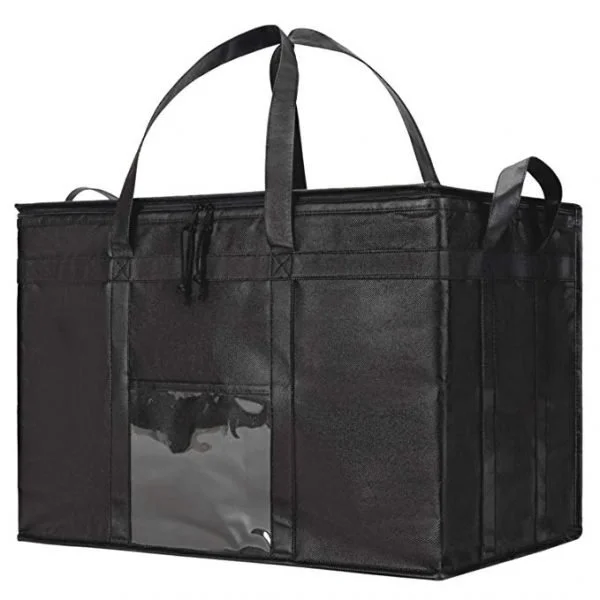
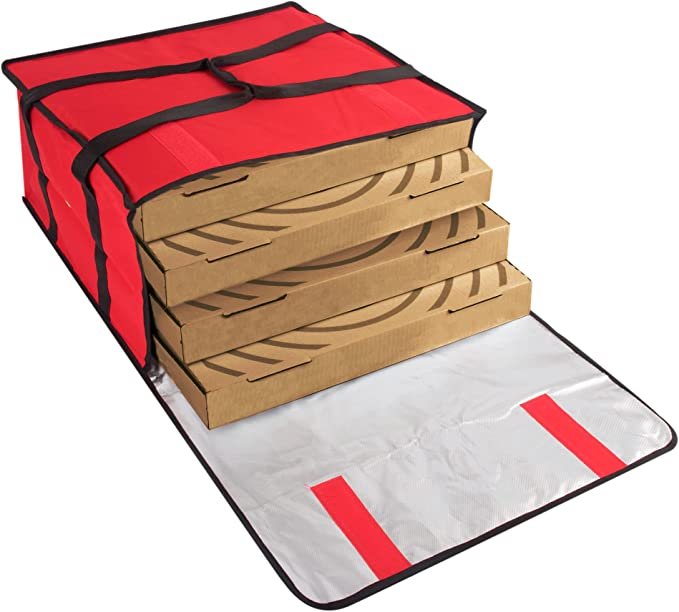
An insulated bag is a must when it comes to delivering. Having an insulated bag will keep your customers food the same or similar temperature as it was when you picked it up at the restaurant. This means that it will keep their food hot or keep their food cold (If its a cold dish) It is also useful for when you get multiple orders at a restaurant. When you receive big orders, it can be a challenge getting everything out the door. It will most likely demand the use of both your hands, which makes it a hassle to exit and open your car door to put the food in. If you’re like me, you would rather not struggle out or have to make a 2nd trip. Having an insulated bag allows you to all the food in the bag and lace it around your shoulder, making everything easy.
2. A Sharpie
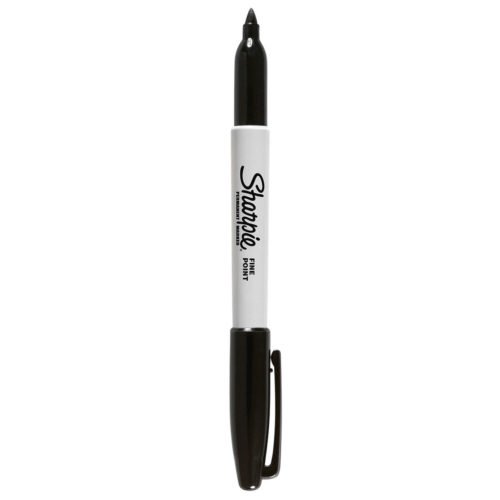
When you get more then one order from a restaurant, most of the time they will have the names on the orders for you. Some however do not. Regardless, having a sharpie lets you have the peace of mind of knowing you can mark them yourself if necessary. Trying to remember who ordered what not only makes your job harder, you risk giving the wrong order to the wrong person. When you get your orders from the restaurant, before confirming your pickup, check to see if the orders are marked. If not, ask the staff which order is which and match up the order numbers with the right name. Then write the name of the person on the food box or bag. It makes dropping off a breeze. Work smarter, not harder.
3. Phone Mount
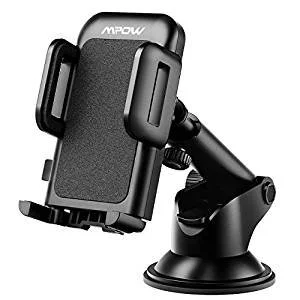
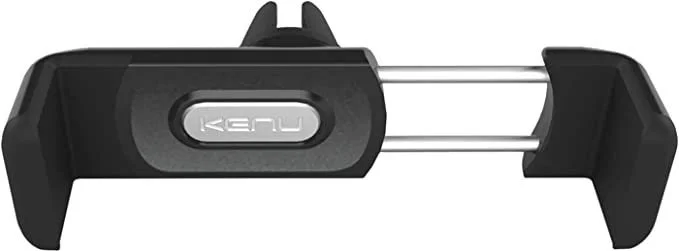
A phone mount will make your navigation to restaurants and customers easy and efficient. Its also a lot safer since your eyes will never leave the road. I use the mount that attaches to your air vent but there are plenty of choices when it comes to phone mounts.
4. A Car Charger
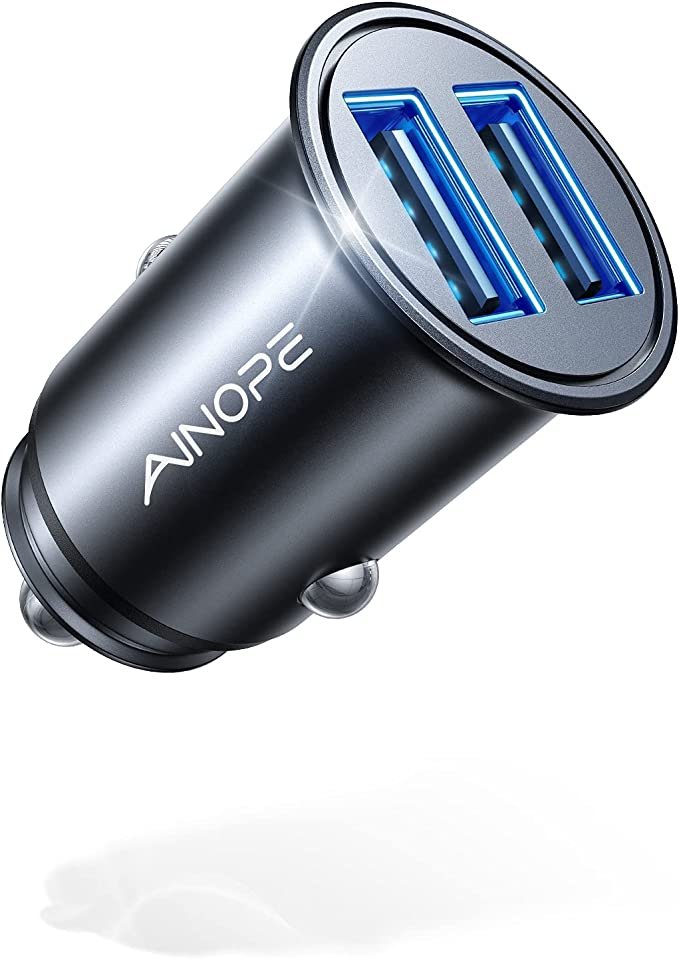
We need to remember that Ubereats is still an app and like all apps, they slowly drain your battery. The last thing you want is to be out ubering and your phone dies on a trip. Even if it doesn’t die on a trip, your obviously done ubering for the night or at least and hour. You’ll want a car charger and a USB cord to charge your phone while in the car. The one I personally use is available above. There are many other options to choose from if you want to look around though.
5. Portable Battery
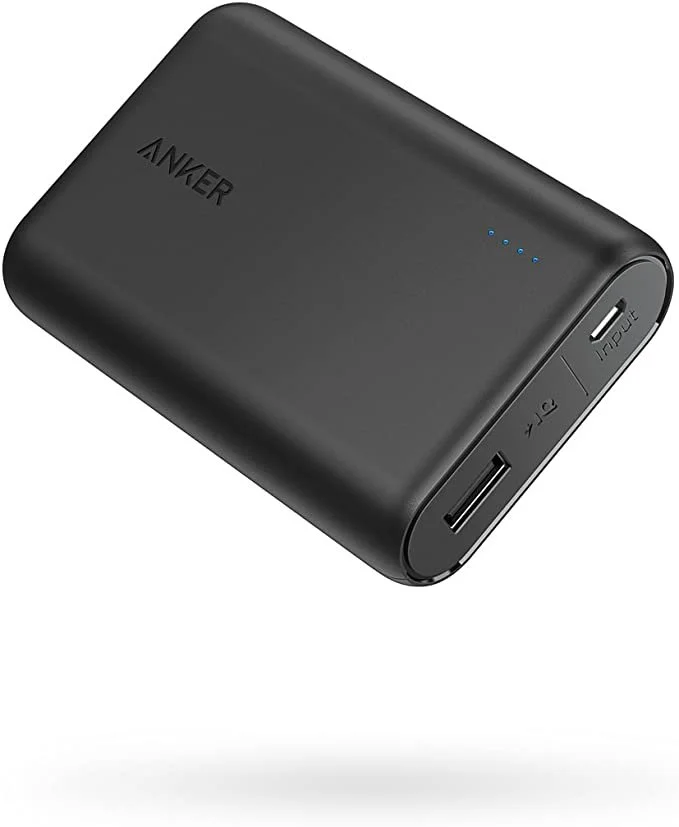
If you have a stronger car charger, this one isn’t mandatory but it can be good to have since you can take it with you inside the restaurant and still be charging your phone. Good to have when you decide you want to do some ubering but your phone is almost dead.
6. Poncho

We all have a taste for certain food. You have a mental conversation about if you would like to go get it. Finally, your hunger compels you to put your shoes on and go get it only to open the door and find out its pouring outside! It used to be that one of two things happened. The thought comes “I don’t wanna get out in that!”. So you grudging abandon your taste buds that day and head to the kitchen to cook something or you get out there, get drenched and deal with the traffic on the way. Usually the 1st one happens the most. Now days, you go right to your couch and checkout the ubereats menu! What does that mean? More delivery and money on the table for you and me. I think the feeling is mutual that we don’t have any desire to get wet though. Having a poncho on stand by will let you take advantage of the opportunity for more money without getting wet or messing up your hair.
7. Uber Clothing
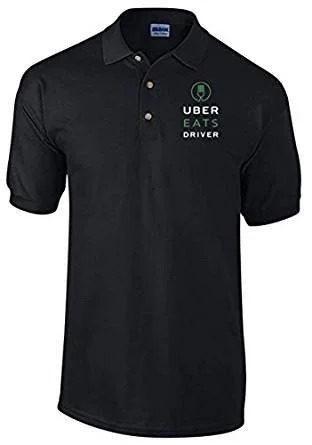
As delivery partners, we don’t wait in line. It can be a little annoying to let a staff member of the restaurant know you’re here to pick up food though. Having one of these bad boys on will let the restaurant immediate identify you visually. This sometimes reduces the the amount of time you’re in the restaurant and often it leads to them bringing the order to you before you even get to the counter! Be sure to still double check the order number and names. Usually having one of these is enough for you to be easily identified as an ubereats partner to the restaurants. For the shirts, prefer the polo like one but the more casual option is also an options too.
8. The Upside App

This isn’t technically an item but it is arguable the most useful tool on this list. One of our biggest expenses as drivers is gas. The get upside app gets you cash back per gallon at select gas stations up to 50 cents. That cash back starts to add up at the end of the month and you can use that money for whatever you want! If you want to know visually how it works, check the video out below!
Honorable mention: A Dashcam

A dashcam isn’t as much needed with a delivery driver as it is with a rideshare driver. It can still be good to have for insurance reasons since it can record outside of your car.
The item that is a MUST on this list is the Insulated bag. which is free if you pick it up at your local Uber office. As of right now, Uber does not offer insulated bags anymore. To get one, you can order one off of amazon by clicking the bag picture. You can get one for as cheap as 6$. AN INSULATED BAG WILL EFFECT YOUR BOTTOM LINE! You will find that everything else is complementary. Having all of these will get you the most bang for your buck and allow you to take even more orders because these items will speed up how long it takes to pick up food and take it to the customer. The total cost of all these together is around 90$ to 100$ (Which there’s a good chance you can make that back on your 1st day if you work between 5.00pm and 10.00pm) If its not possible to get them all at once, you can use the strategy i used. Prioritize them and get one item off this list once a week. How you should prioritize them is like this.
Upside App
Insulated Bag
Sharpie
Car Charger
Phone Mount
Portable Battery
Ubereats Shirt
Poncho
If you have any other questions about ubereats, feel free to contact out our Uber Eats Playlist on you tube. If you want to sign up for the Upside app, you can do so here. We’ll catch you in the next article!